
Nowadays in the multifaceted environment of transport, efficiency shines brighter than all. The dispatching center which is the nerve center, technology has redesigned the entire taxi industry and revolutionized it. The article will overview the meaning of what is a taxi dispatch system? and the role it plays in transport system improvements.
What is a Taxi Dispatch System?
A taxi dispatch system refers to the use of highly complex yet useful software for the purpose of ensuring effective coordination and management of taxi services. As a central hub, it enables the taxi firms to operate the vehicles, drivers, and bookings promptly reflecting the current conditions.
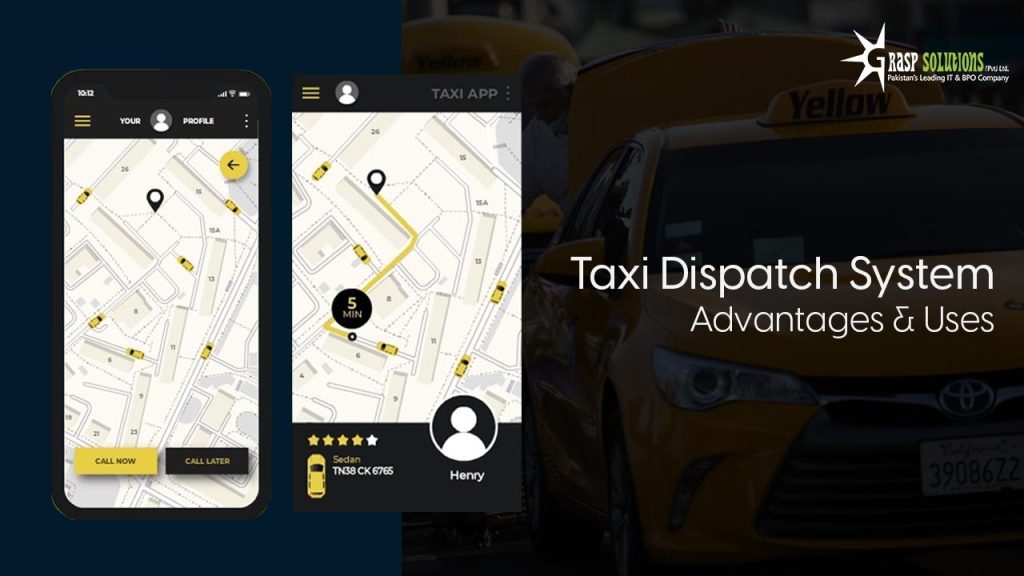
The system works by accepting customer requests by means of all possible channels, for example: app, phone, or website. Following a request, it takes the distance from the pick-up place to the customer, the availability of drivers, and traffic into account to automatically assign new drivers to the requested passengers. As soon as the driver agrees to take the job, the passenger gets a message with information like the driver’s name, vehicle type, and the expected time of arrival. All through the journey, customers and dispatchers can see the driver’s whereabouts using real-time information, which fosters transparency and accountability.
Advantages of Dispatch System
One of the advantages of having a dispatch system is a significant decrease in losses. Taxi companies use automation to avoid the idling of drivers as well as maximize the efficient use of their fleet which often implies cutting back on costs. This, in return, cuts down the waiting period of passengers and bolsters service delivery.
Furthermore, the dispatch system was created to provide better communication between drivers and passengers. Which in turn has an impact on customer service. Customers will have the opportunity to monitor their rides in real-time and get updates automatically. These updates are received on the status through these features, which will consequently enhance the satisfaction of the riders.
On top of that, dispatching systems comprise an automated resource allocation, where data on demand patterns and traffic conditions are analyzed to form an optimal plan. Utilizing this data, taxi companies will be able to make informed choices on the dispatch indicators. That too from a broader perspective despite involving various challenges.
Conclusion
Finally, taxi dispatch systems are essential as they transform the existing transportation management systems. Employing technology means that the cabs can improve their functions. As a result, they get the customers well served and allocate the means maximally. Therefore, they can render regular and convenient transportation.
How a dispatch cycle actually runs
Strip away the branding and every taxi dispatch system runs the same loop. A job arrives, from a phone call, an app booking, a web form or a corporate account. The system geocodes the pickup and works out which vehicles are plausible – free now, or clearing nearby soon. It offers the job, usually to the closest suitable driver first, and waits for an acceptance. Once accepted, the passenger gets a confirmation and an ETA, the driver gets navigation, and the job moves through a series of states: accepted, en route, arrived, passenger on board, completed. At the end it drops into billing, either as a card payment, a cash entry or a line on an account invoice.
The loop is reliable while every step behaves. What decides whether a fleet runs well is the exceptions: a driver who does not accept, an address the geocoder places on the wrong side of a dual carriageway, a flight that lands forty minutes early, an account customer who wants tomorrow’s booking moved while standing in today’s. Software escalates those. It does not resolve them.
What operators are really buying
Most operators comparing dispatch systems are not really comparing features – the core loop above is common to all of them. The real differences are how well the system handles pre-bookings against on-demand work, how account billing is structured, what the driver app does to a driver’s day, and how much of your call volume the platform can absorb before a human has to pick up. That last one is usually underestimated, and it is where the cost of running a fleet quietly lives.
The system is only half of it
A taxi dispatch system automates assignment and tracking, but it still needs someone watching it when a driver cancels at 2am or a rider calls about a booking that has not arrived. That gap is what a staffed desk fills. Grasp Solutions runs taxi dispatch center services with trained human dispatchers, 24 hours a day, working inside your existing system – we staff TaxiCaller and iCabbi among others – so the software has judgment behind it rather than an empty chair.
The same applies to the bigger platforms. Fleets on Autocab get a team that works the booking screen and the dispatch board directly, rather than a separate answering service that emails messages over.