
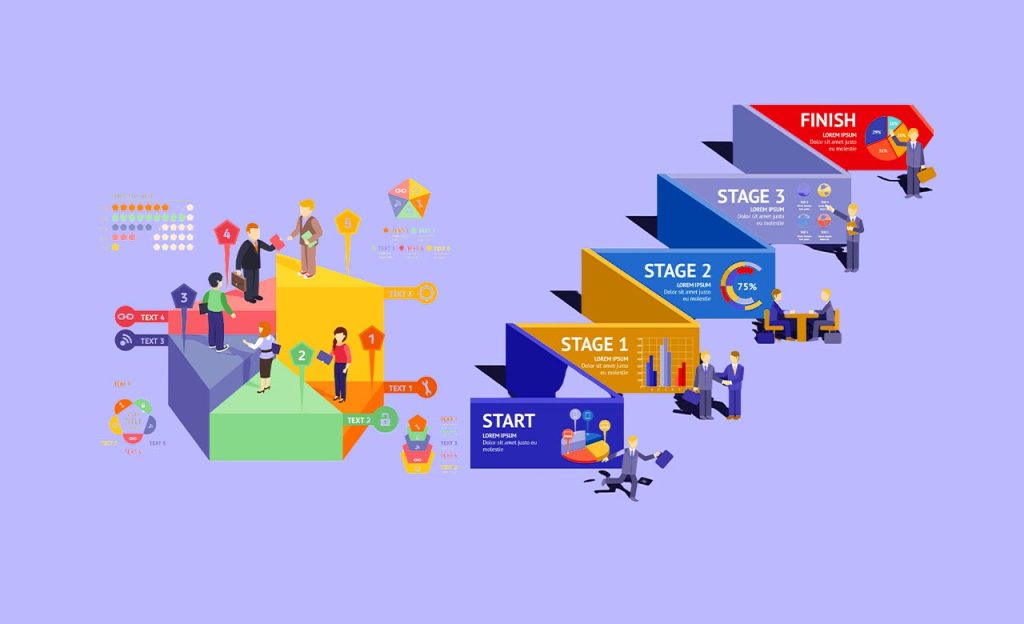
The customer journey is every step a customer takes with your business, from first hearing about you to buying, getting help and coming back. Every business has one, whether it is planned or not. Paying attention to it is one of the most practical ways to win more customers and keep them. Here are seven reasons the customer journey matters, the challenges involved and simple ways to start improving it.
7 reasons the customer journey matters
1. It shows where you lose customers
Looking at each step reveals where people drop out: an unanswered call, a confusing booking form or a slow reply to an inquiry.
2. It raises conversion
Small fixes at the right moments, such as answering every call or confirming bookings instantly, turn more inquiries into sales.
3. It improves retention
Customers who have a smooth experience come back. Problems after the sale are a common reason customers leave. See how to reduce customer churn.
4. It reduces complaints and support costs
Fixing the cause of common problems means fewer complaints, fewer repeat calls and less time spent putting things right.
5. It builds better reviews
Reviews reflect the whole journey, not just the product. A smooth experience from booking to follow-up shows up in ratings.
6. It gets teams working together
Sales, operations and support all touch the same customer. A shared view of the journey stops each team from working in isolation.
7. It leads to better decisions
Knowing which steps matter most tells you where to spend time and money, from staffing to software.
Challenges and how to handle them
| Challenge | How to handle it |
|---|---|
| Too many channels to track | Start with the two or three channels customers use most |
| Guessing instead of evidence | Use call recordings, reviews, complaints and analytics |
| Teams with different priorities | Agree on a few shared customer goals |
| Changes that never happen | Assign each fix an owner and a date |
Signs your customer journey needs work
- Calls regularly go to voicemail, especially after hours.
- Customers have to explain their problem more than once.
- Reviews mention slow replies or poor communication.
- Many inquiries never turn into bookings or sales.
- Customers buy once and do not come back.
- Staff cannot easily see a customer’s history.
An example of one small fix
Picture a limousine company that notices many evening quote requests never turn into bookings. The cause turns out to be simple: calls after 6pm go to voicemail, and callers book with whoever answers first. Answering those evening calls live, and confirming bookings straight away, recovers business the company was losing without realizing it. Most journey improvements are like this: small, specific and found by looking closely at one step.
Simple first steps
- Make a test booking or inquiry yourself and note every point of friction.
- Read your last 20 reviews and complaints and group them by journey stage.
- Check how many calls go unanswered, and when.
- Pick one problem to fix this month.
The contact moments that matter most
Many of the most important moments in a customer journey are when a customer tries to reach you: a first call, a question before booking or a problem that needs help now. Grasp Solutions helps businesses make sure those moments are handled well, with trained human teams for live call answering, after-hours answering and 24/7 web chat support. There is no long-term contract.

Frequently asked questions
What is the customer journey?
All the steps and interactions a customer has with a business, from first awareness to purchase, support and loyalty.
How do I map my customer journey?
List the stages, the touchpoints at each stage and the pain points customers hit. Our guide to customer journey mapping walks through it step by step.
Which part of the customer journey matters most?
It varies, but the first contact and the moment a customer needs help usually have the biggest effect on whether they buy and stay.
Related guides: 5 questions to ask during customer onboarding.