
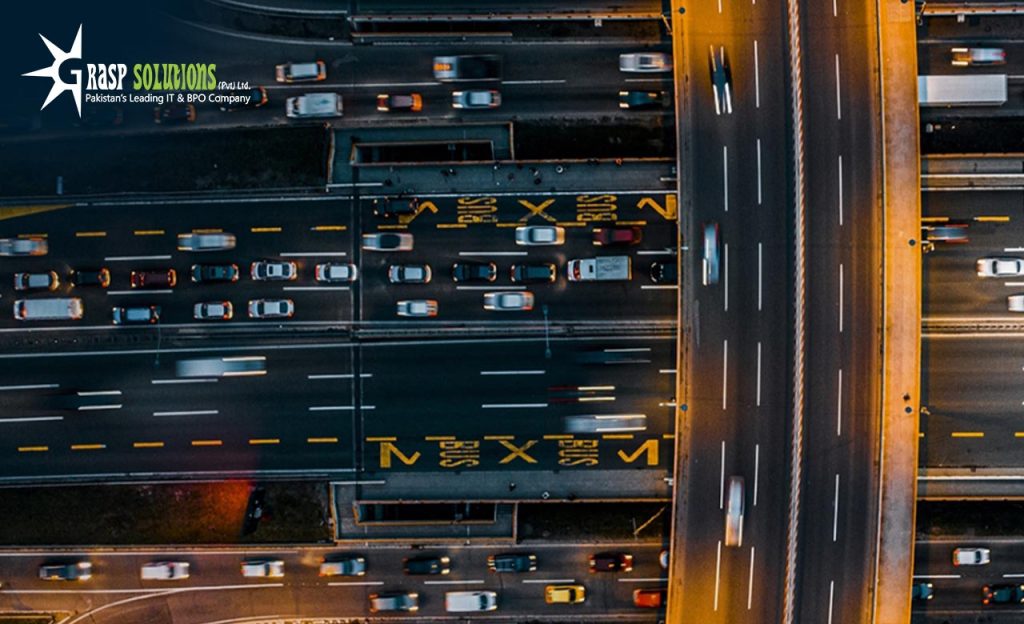
Routing is the part of dispatch that decides which vehicle goes where, in what order, and by which road. Good routing means shorter waits for customers, fewer empty miles for drivers and more jobs from the same fleet. Bad routing shows up as late pickups, drivers crossing town for one job while another car sits idle nearby, and customers who stop calling. This guide covers how dispatch centers for passenger transport and local delivery plan routes, before the shift and while it is running.
Routing vs dispatching
Dispatching is choosing which driver gets a job. Routing is deciding how that job, and the jobs around it, fit together on the map and in time. In a busy dispatch center the two happen together: the best driver for a job is usually the one whose route already passes close to the pickup.
Start with the work you know about
Most fleets have more planned work than they think. Airport runs booked the day before, school and medical contracts, corporate accounts and recurring shuttles can all be routed in advance.
- Group pre-booked trips by time and area the evening before.
- Assign the early and long trips first, then fit shorter trips around them.
- Leave buffer time around airport pickups and known traffic hot spots.
- Keep a few cars unassigned in the busiest zones for on-demand work.
Use zones for on-demand work
Taxi and car service fleets usually divide their area into zones. Drivers queue in a zone, and new jobs go to the first or nearest available car in that zone. Zones keep routing simple and fair, but they need watching. A dispatcher should move cars toward demand when one zone empties, and keep airport and downtown queues from absorbing the whole fleet.
Set clear priorities
Not every job is equal. Decide in advance which trips come first when the fleet is stretched:
- Time-critical trips, such as airport departures, medical appointments and school runs.
- Account and contract clients with service agreements.
- Pre-booked trips that have been confirmed with the customer.
- On-demand street and phone work.
Written priorities stop dispatchers making different calls on different nights, and give drivers a clear answer when they are asked to take a job across town.
Re-route as the shift changes
No plan survives a busy Friday. Accidents, closed roads, flight delays, late drivers and last-minute bookings all change the picture. The dispatcher’s job is to spot the problem early and fix the route before the customer notices: swap a pickup to a closer car, pull in an affiliate for an overflow trip, or call the customer with an honest new arrival time.
Dispatch software helps with live maps, traffic-aware navigation and automatic assignment, but a person still has to judge which trade-off to make. That is why most fleets keep a human on the desk even with automatic dispatch switched on.
Match vehicles and drivers to the route
- Send the right vehicle size for the passenger count and luggage.
- Use drivers who know the area for difficult pickups, such as hospitals, campuses and gated communities.
- Respect driver hours and breaks, so a long route does not end with a tired driver.
- For multi-stop shuttle and delivery runs, order the stops to avoid crossing back over the same roads.
Learn from your own data
Your dispatch history is the best routing guide you have. Look at:
- Pickup wait times by zone and hour.
- Empty miles, the distance cars drive with no passenger or order.
- Jobs per vehicle hour, the clearest measure of how well the fleet is routed.
- Late and missed pickups, and their causes.
- Peak times by day of the week, so cars are positioned before demand arrives.
Where routing breaks down
The most common routing failure is not a bad algorithm but an empty chair. When nobody is watching the desk at night or on weekends, jobs sit unassigned, drivers pick the trips they like, and nobody re-routes around problems. Grasp Solutions provides 24/7 human dispatchers who work inside the platform you already use, including Limo Anywhere and TaxiCaller, to keep routing and assignment running when your own office is closed.
Frequently asked questions
What is route planning in dispatch?
It is the process of deciding which vehicle serves which job, in what order and by which route, so that customers are picked up on time and vehicles are not driven empty more than necessary.
Should we plan routes in advance or in real time?
Both. Plan pre-booked and contract work in advance, then adjust routes in real time as on-demand jobs, traffic and delays change the shift.
Does routing software replace dispatchers?
No. Software suggests routes and assigns jobs, but a dispatcher still has to handle exceptions, set priorities and talk to customers and drivers when plans change.
Related reading: what is a taxi dispatch system, how to handle your fleet and signs your dispatch is working.