

Call centers are changing fast. Customers expect answers on the channel they choose, at any hour, without repeating themselves. New tools promise to automate more of the work, while customers still want a real person when it matters. These are eight trends shaping the future of call centers, and what they mean for businesses that rely on phone and chat support.
1. AI handles simple tasks, people handle the rest
AI tools are taking on routine work: transcribing calls, suggesting answers, summarizing conversations and handling simple requests such as order status. But complex, urgent and emotional calls still need people. The call centers that do best use technology to support their agents, not to hide them from customers. Our post on voice recognition in call centers looks at where automation helps and where it does not.
2. The human touch becomes a selling point
As more businesses put customers through automated menus and chatbots, reaching a helpful person quickly stands out. For many small and mid-size businesses, a friendly, knowledgeable human voice is now a competitive advantage.
3. Omnichannel support
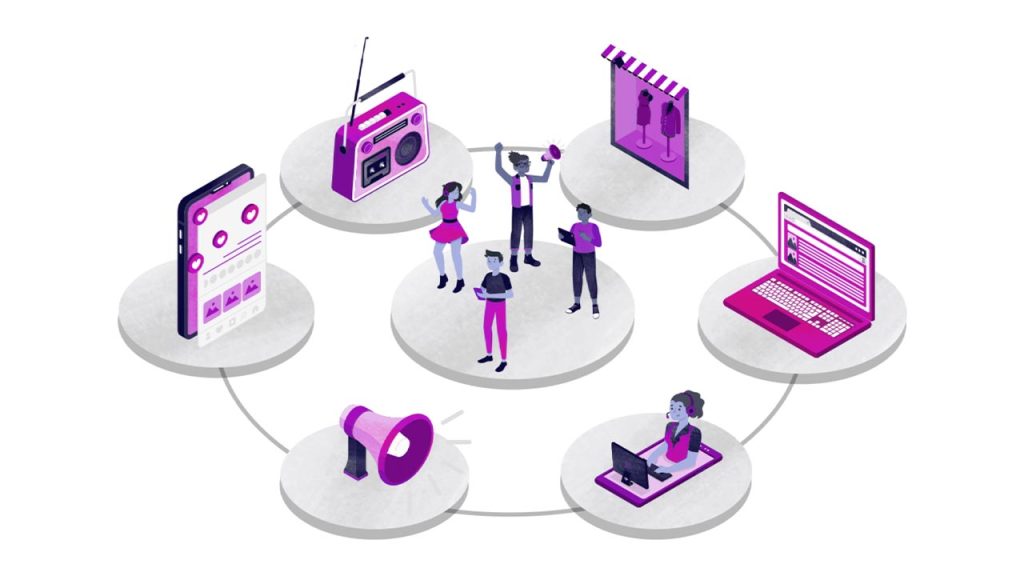
Customers move between phone, chat, email, text and social media. The trend is toward one shared view of each customer, so a conversation that starts in chat can finish on the phone without starting over. See what a multi-channel call center is.
4. Better self-service
Clear FAQs, online booking and order tracking let customers solve simple problems themselves, which leaves agents more time for the calls that need them.
5. Data and analytics
Call centers increasingly use data to spot trends: peak call times, common complaints and reasons customers leave. That data drives staffing, training and process changes.
6. Flexible and outsourced staffing
Rather than staffing for peak demand all year, more businesses combine a small in-house team with outsourced support for nights, weekends, overflow and seasonal spikes.
7. Faster response expectations
Customers expect calls answered in seconds and chats in under a minute, around the clock. Businesses that cannot meet this on their own increasingly use after-hours and overflow support.
8. Stronger security and privacy
With more customer data flowing through more channels, call centers are tightening access controls, payment security and privacy practices.
Skills agents will need
- Problem solving for the calls automation cannot handle.
- Clear, friendly writing for chat, email and text.
- Comfort switching between several software tools at once.
- Calm, patient handling of upset or anxious callers.
- Knowledge of the client’s business, not just a script.
How to prepare your business
- Review which calls and chats are simple enough for self-service or automation.
- Make sure customers can always reach a person quickly when they need one.
- Connect your phone, chat and email records where possible.
- Track response times and missed calls, not just call volumes.
- Plan cover for nights, weekends and busy seasons before they arrive.
What these trends mean for your business
| Trend | What to do |
|---|---|
| AI for simple tasks | Automate routine requests, keep people for the rest |
| Human touch | Make it easy to reach a real person |
| Omnichannel | Connect phone, chat and email records |
| Self-service | Publish clear FAQs and online booking |
| Flexible staffing | Use outside help for nights, weekends and peaks |
Where Grasp Solutions fits
Grasp Solutions provides the human side of customer service: trained people answering calls and chats in your business name, around the clock. Our teams work in your own software and support live call answering, 24/7 web chat and 24/7 dispatch for transportation companies. There is no long-term contract.

Frequently asked questions
Will AI replace call center agents?
It will take over more simple tasks, but customers still want people for complex, urgent and emotional issues. Most businesses will use both.
Are call centers still relevant?
Yes. The phone remains one of the main ways customers contact businesses about urgent or complicated issues, alongside chat and email.
What is the biggest change coming to call centers?
The mix of channels and tools, with technology handling routine work and people focusing on conversations that need judgment and care.