
At Grasp Solutions dispatch center we utilize advanced technology for real-time monitoring and dispatching of taxis, ensuring prompt and reliable service for our customers. Optimize routes, minimize wait times, and enhance overall customer satisfaction. With round-the-clock customer support, our call center for taxi dispatching assists the dispatching process seamlessly for both passengers and drivers.
Offering a premium service experience, our limo dispatching center serves as a key tool for improvements. Offering top-of-the-line dispatching and call center services for limo dispatching, we tailor our services as per clients’ requirements. To manage reservations, handle special requests, and ensure seamless coordination for every journey.
Catering the diverse restaurant network, our food delivery dispatching is all about quick and efficient delivery. Leveraging optimized routes and advanced logistics, our dispatchers are trained for prompt responses. With increased transparency in tracking and management, we ensure that all customers are happy.
Charter and limousine work in California runs on a TCP permit from the CPUC, and the obligations that come with it are continuous rather than one-off. A carrier registers with the DMV Employer Pull Notice program, which means the state reports changes to a driver’s record back to the carrier for as long as that driver is on the roster. Carriers also enroll in a controlled substance and alcohol testing program, and vehicles that need it carry a CHP motor carrier profile and a CA number.
Setting all of that up is slow. The Pull Notice enrollment alone takes around six weeks, a TCP “A” certificate costs $1,500 with other classes at $1,000, CHP inspections run $15 per vehicle, and the CPUC tells applicants to expect two to three months before they can operate. None of it is refundable.
What that means for a dispatch desk is that driver eligibility is a live state, not a filing cabinet. A chauffeur whose record changed last week is a different chauffeur this week. We hold driver status on the board next to availability, so whoever is assigning a run at two in the morning is not working from a roster that was accurate in March.
A passenger flying into the Bay Area might mean SFO, Oakland or San Jose. Those are three different drives, three different sets of airport permits, and at the wrong hour more than an hour apart. Airport authority is separate from CPUC authority, so holding a TCP does not by itself put your car on an airport curb.
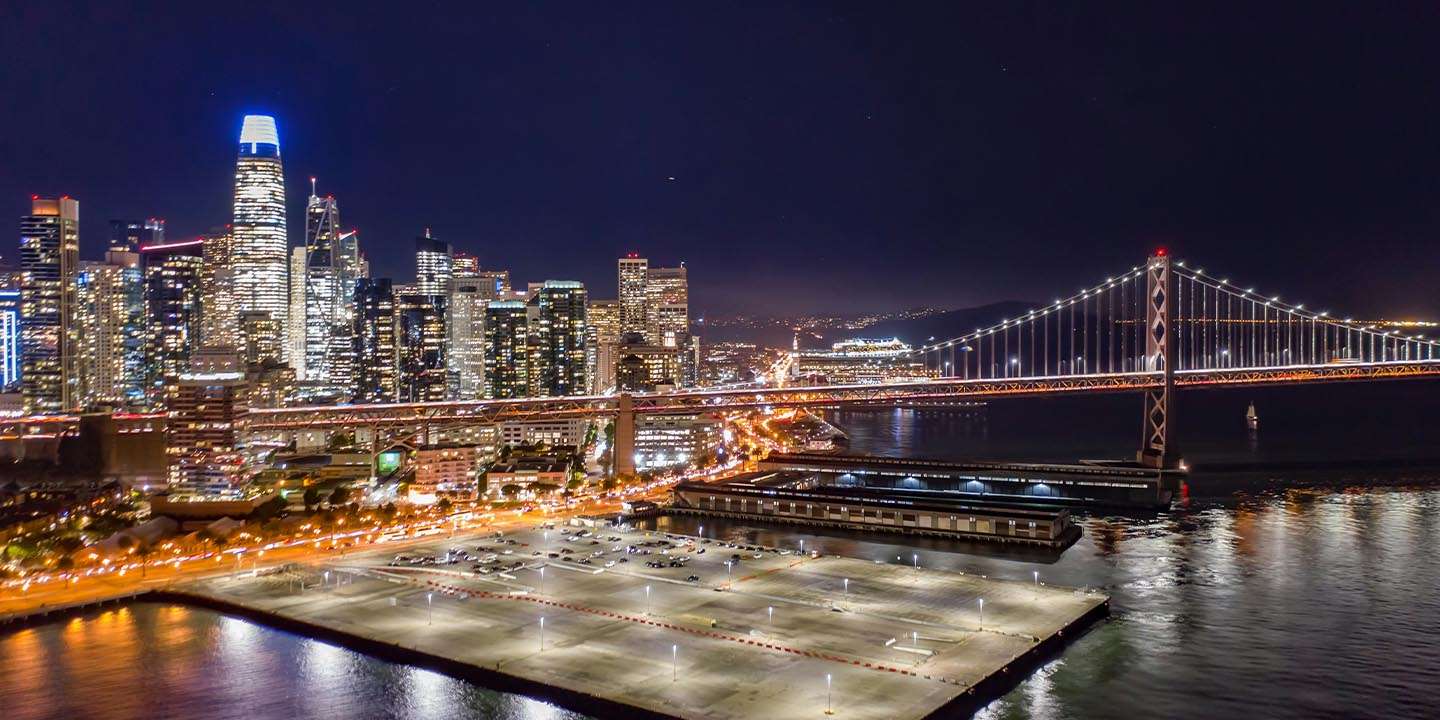
Then there is the geography. San Francisco is seven miles across and can take forty minutes to cross. A Peninsula run that looks like half an hour on a map becomes ninety minutes if it meets the Bay Bridge at the wrong time. Our dispatchers quote from the clock and the calendar rather than the distance, and they confirm which airport before a trip goes on the board.
The Bay Area works late and starts early. Transpacific arrivals land at SFO through the evening and into the night, corporate accounts book cars for flights that leave before six, and the tech campuses down the Peninsula keep hours that no dispatch office staffs by accident. Those are the calls that roll to voicemail.
Most operators start with the shift they cannot fill, usually overnight or weekends, and widen from there. Our dispatchers are live people working inside your own system and answering as your company, and your daytime desk keeps its process. There are no contracts, and special rates are available for fleets moving to full 24/7 cover.
Background on how we staff a board round the clock is on our outsourced dispatch services page.