
When a business outgrows answering every call itself, there are two common ways to stop the phone ringing out: an auto attendant, which is a recorded menu, and a virtual receptionist, which is a real person answering remotely. Both are sometimes called “virtual receptionists”, which causes plenty of confusion. They solve different problems, and the right choice depends on what your callers need when they ring.
What is an auto attendant?
An auto attendant is a feature of most business phone systems. It answers with a recorded greeting and a menu, such as “press 1 for sales, press 2 for support”, and sends the call to an extension, a group or a voicemail box based on what the caller presses or says. It works 24 hours a day, never gets busy, and usually comes included with the phone system or costs very little.
What is a virtual receptionist?
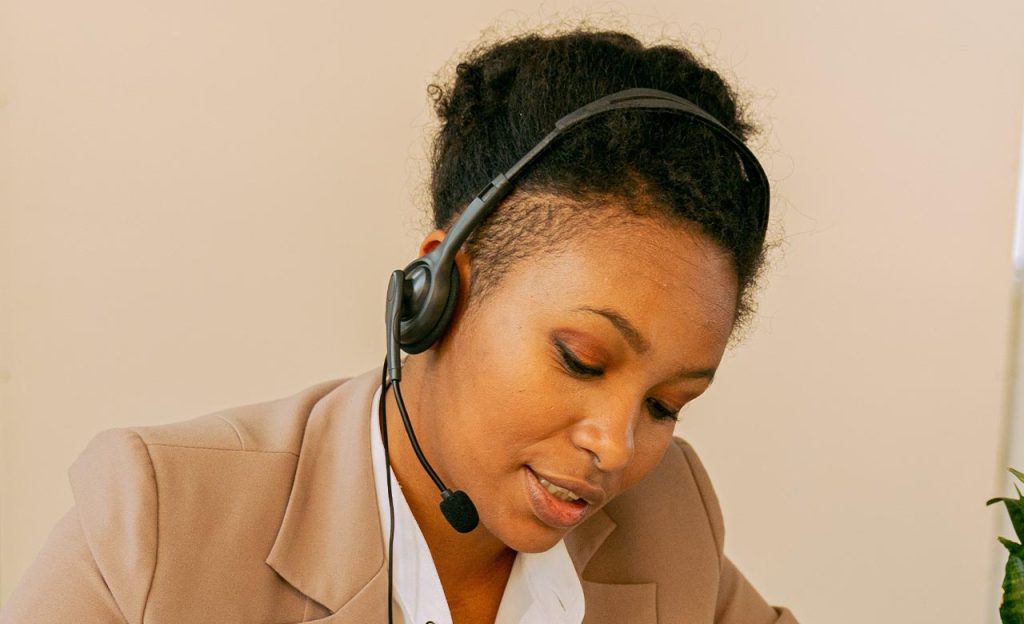
A virtual receptionist is a trained person who answers your calls from a remote location, in your company name. They greet the caller, find out what they need, and then act: booking an appointment, answering a question, taking a detailed message or transferring the call to the right person. To the caller, it sounds like reaching your front desk. Our virtual receptionist services work this way. We also run a virtual receptionist service for New York businesses.
Auto attendant vs virtual receptionist at a glance
| Auto attendant | Virtual receptionist | |
|---|---|---|
| Who answers | A recording | A trained person |
| Caller experience | Menu options, then a transfer or voicemail | A conversation, as with a front desk |
| Handles unusual calls | Poorly; callers press 0 or hang up | Well; the receptionist asks and decides |
| Books appointments | No | Yes, into your calendar |
| Answers questions | Only with recorded messages | Yes, from your information |
| Works when your team is unavailable | Sends calls to voicemail | Takes the call and handles it |
| Cost | Low, often included with the phone system | Higher, based on hours and call volume |
| Best for | Routing high volumes of simple calls | Calls where a person makes the difference |
When an auto attendant makes sense
- Most callers already know who they want and only need routing to a department.
- You have staff available to pick up once the call reaches them.
- Call volume is high and the calls are simple and predictable.
- Callers are mostly existing customers or colleagues, not new prospects.
When a virtual receptionist makes sense
- New customers call you, and a missed or frustrated caller is lost business.
- Your team is often busy, out on jobs or with clients when the phone rings.
- Callers need something done: an appointment booked, a question answered, a problem logged.
- You get calls outside business hours that should not go to voicemail.
- Your callers include older customers or people calling about something stressful, who are less patient with menus.
Voicemail is the hidden cost of an auto attendant. Many callers who reach a recording never leave a message; they call the next business on the list instead. If the calls you miss are new inquiries, a person on the line usually pays for itself.
Using both together
Many businesses combine the two. The auto attendant handles simple routing (“press 1 for billing”), and every other option, every unanswered extension and every after-hours call goes to a live receptionist instead of voicemail. Callers who know where they are going get there quickly, and everyone else reaches a person.
What about AI receptionists?
AI voice agents sit between the two. They can hold a basic conversation and answer common questions, but they still struggle with accents, background noise, complaints and anything outside their script, and many callers recognize them within seconds. Our article on AI phone answering systems covers the trade-offs in more detail.
Which should you choose?
If your calls are mostly simple routing and someone is always available to pick up, an auto attendant may be all you need. If calls are how new customers reach you, or your team cannot always answer, a virtual receptionist protects that business. When you are ready to compare providers, our guide on how to choose the best answering service lists the questions to ask.
Grasp Solutions provides live virtual receptionists for US businesses, 24 hours a day, with trained people rather than AI. Many clients start with after-hours answering behind their existing phone menu.
Frequently asked questions
Is an auto attendant the same as a virtual receptionist?
No, although some phone companies market auto attendants as “virtual receptionists”. An auto attendant is a recorded menu; a virtual receptionist is a person who answers remotely.
Can a virtual receptionist work with my existing phone system?
Yes. You forward calls to the receptionist service, either all calls, specific menu options, or calls that go unanswered, and keep your existing number.
Which is cheaper?
An auto attendant is cheaper to run, but it does not book appointments or win new customers on its own. The better comparison is the cost of the calls you lose to voicemail.